Some trips feel busy from the start. You rush from one attraction to another, take a few photos, eat something forgettable, and by the end of the day you’re not even sure what you actually saw.
This trip wasn’t like that.
A Journey Through Heritage: Exploring Kuala Kangsar and Lenggong is the kind of route that moves at a slower pace. Lenggong gives you quiet water, green hills, and that open countryside feeling. Kuala Kangsar, on the other hand, feels more royal and old-world, with palaces, bridges, mosque domes, and small-town food that people actually travel for.
Honestly, the contrast is what makes the journey interesting. You start with nature in Lenggong, then slowly move into the heritage side of Perak in Kuala Kangsar. It doesn’t feel forced. It feels like Perak showing two different sides of itself in one trip.
Why Visit Kuala Kangsar and Lenggong Together?
Kuala Kangsar and Lenggong are both in Perak, and they work really well as a short heritage-and-nature escape. You can do them as a long day trip from Ipoh, but I’d personally suggest staying one night if you don’t like rushing.
Lenggong is quieter and more spread out. It’s known for its ancient history and countryside scenery, but the atmosphere is relaxed. Kuala Kangsar feels more polished in a royal-town kind of way. You’ll see grand buildings, traditional Malay architecture, and some very photogenic corners.
One thing most tourists don’t realize is that this route isn’t about huge theme-park-style attractions. It’s more about mood, scenery, food, and small details. A rusty bridge. A golden dome catching sunlight. A bowl of laksa that looks unusual at first, then makes complete sense once you taste it.
How to Get There
The easiest way to explore both places is by car. Public transport exists, but it’s not very convenient if you want to visit Tasik Raban, Victoria Bridge, Bukit Chandan, and Masjid Ubudiah in one smooth route.
From Ipoh
Ipoh is probably the best base. From Ipoh, you can drive to Lenggong first, then loop down toward Kuala Kangsar. Depending on traffic and stops, expect roughly:
- Ipoh to Lenggong: about 1 to 1.5 hours
- Lenggong to Kuala Kangsar: about 45 minutes to 1 hour
- Kuala Kangsar back to Ipoh: about 45 minutes
The roads are generally fine, but some stretches feel rural. Don’t expect cafés and petrol stations every five minutes once you’re around Lenggong. Fill up earlier, especially if you’re the type who gets nervous when the fuel bar drops.
Best Transport Option
Renting a car is the most practical choice. If you’re traveling with family or friends, it also makes the trip cheaper and more comfortable.
A private driver is another good option if you don’t want to drive, especially if you’re visiting from overseas. Just make sure they understand the route clearly because this isn’t the usual “Ipoh old town and cave temples” type of itinerary.
Best Time to Visit
Morning is best for Lenggong. The lake is calmer, the air feels cooler, and the light is softer for photos. By noon, it can get hot, and the glare on the water can be quite strong.
For Kuala Kangsar, late afternoon is lovely, especially around Bukit Chandan and Masjid Ubudiah. The golden domes look better when the sun isn’t directly overhead. If you enjoy photography, don’t rush this part.
I’d avoid heavy rain days if possible. Not because the trip becomes impossible, but because the outdoor stops lose some of their charm. Victoria Bridge especially feels better when you can walk around slowly without holding an umbrella and worrying about slippery ground.
Starting in Lenggong: A Boat Ride at Tasik Raban
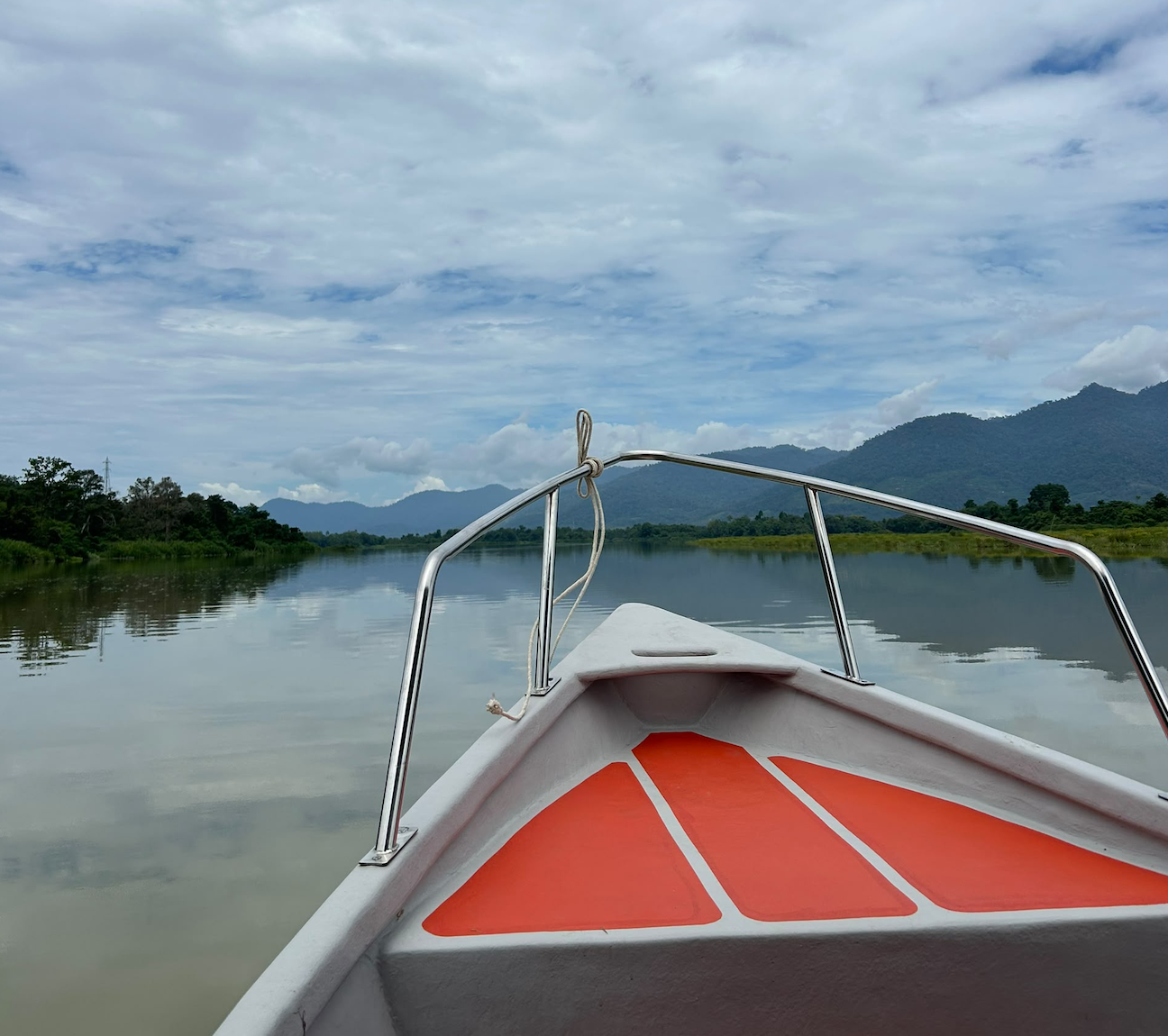
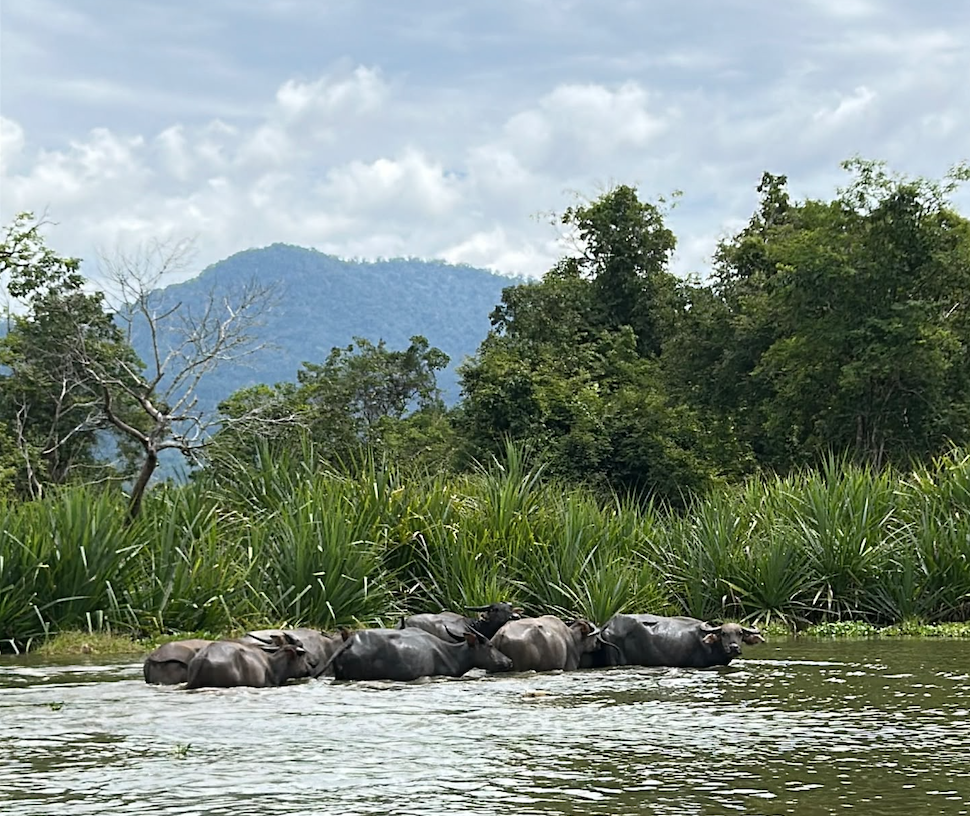
Tasik Raban is a gentle way to begin the journey. It’s not loud or overdeveloped, and that’s part of the charm. When you get on the boat, the first thing you notice is how calm everything feels. The water stretches out quietly, with hills and greenery around it.
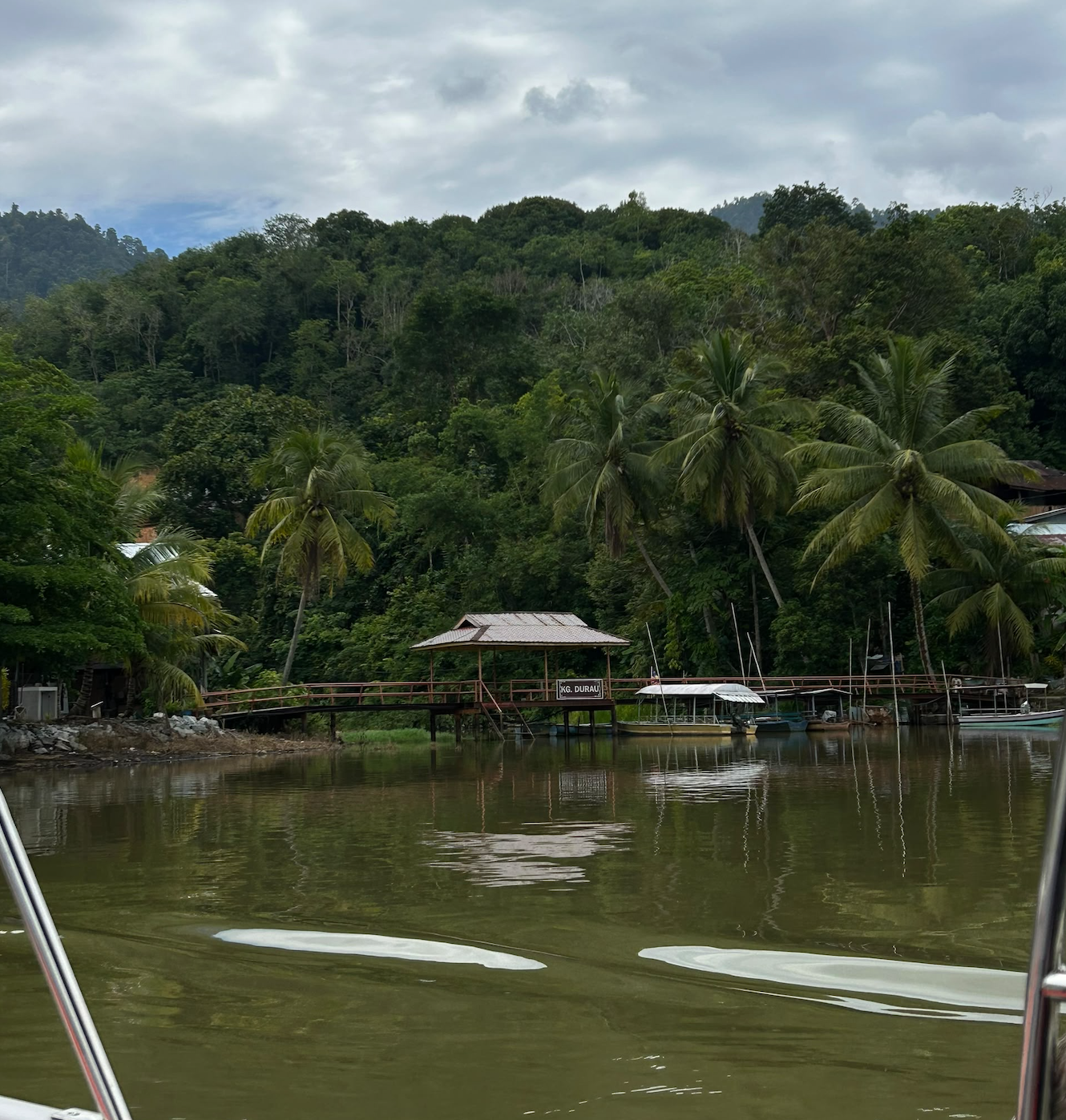
The boat ride isn’t about speed or thrills. It’s more of a slow glide across the lake, where you sit back, feel the breeze, and let your eyes wander. I liked that it didn’t feel too “touristy.” There’s a local, everyday quality to the place, like people have been coming here for picnics and weekend breaks long before travel blogs started talking about it.
Surprisingly, this is also a good stop if you’re traveling with older family members. There isn’t too much walking, and the lake setting feels peaceful without being boring.
Practical Tips for Tasik Raban
Bring sunglasses, a hat, and water. The sun can be stronger than you expect, especially when it reflects off the lake. If you’re planning to take photos, keep your phone or camera secure because boats and excited photo-taking are not always the safest combination.
Also, don’t arrive too late in the day expecting everything to run like a city attraction. Ask locally about boat availability, timing, and weather conditions. In smaller destinations, schedules can be a little flexible.
The Historical Vibe of Victoria Bridge
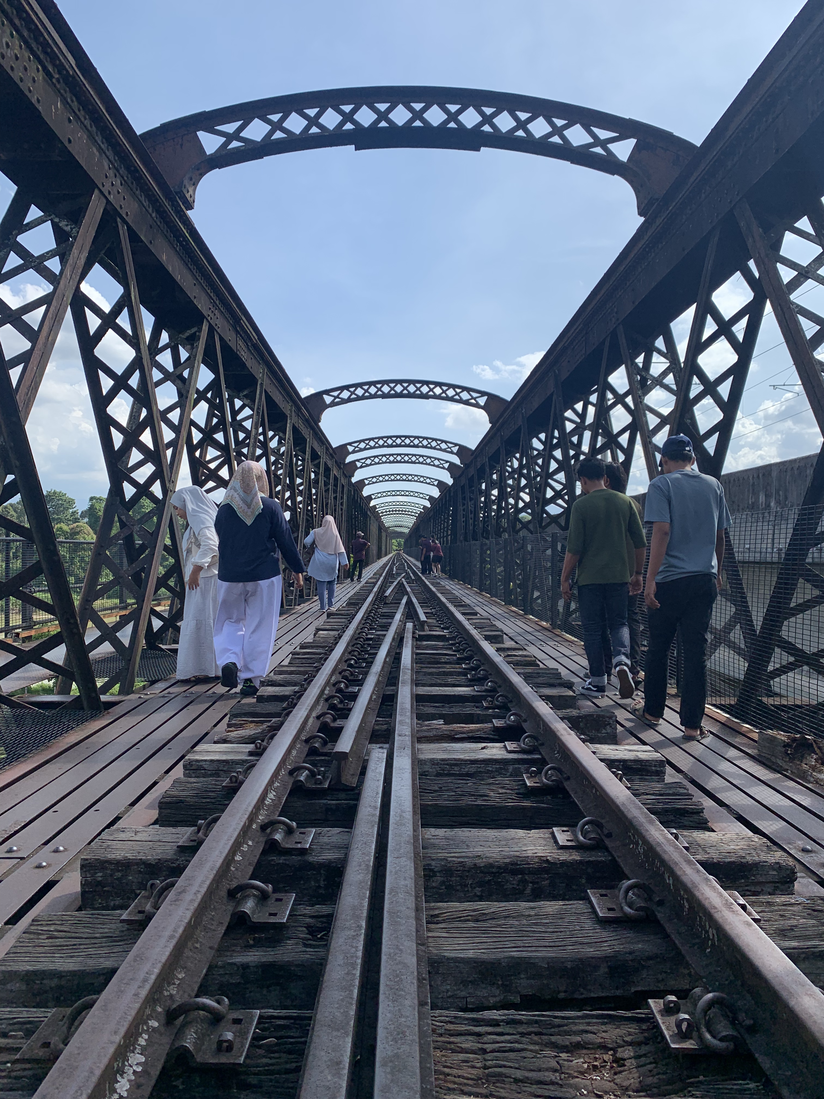
After the soft nature mood of Lenggong, Victoria Bridge brings a completely different feeling. This old railway bridge near Karai has that slightly weathered, historical vibe that looks great in photos.
The metal structure, the long track lines, and the view across the river all give it a dramatic look without needing much effort. You don’t need to be a serious photographer to get a good shot here. Just walk slowly, look for the lines of the bridge, and let the structure do the work.
What I liked most was the atmosphere. It doesn’t feel shiny or newly built. It feels like something that has seen a lot — trains, trade, weather, and time. That’s exactly why it’s interesting.
The annoying part is that popular photo spots can get busy if you arrive at the same time as other visitors. If you want cleaner photos, come earlier or later in the day. Midday light can be harsh, and the bridge looks better when shadows add a bit of depth.
Safety Note at Victoria Bridge
Be careful when walking around the bridge area. Don’t climb risky parts just for photos, and watch your step if the ground is wet. It’s a heritage structure, not a playground. Good photos are nice, but not worth an injury.
Lunch in Kuala Kangsar: Trying the Famous Laksa Sarang
By the time you reach Kuala Kangsar, you’ll probably be hungry. This is where Laksa Sarang comes in.
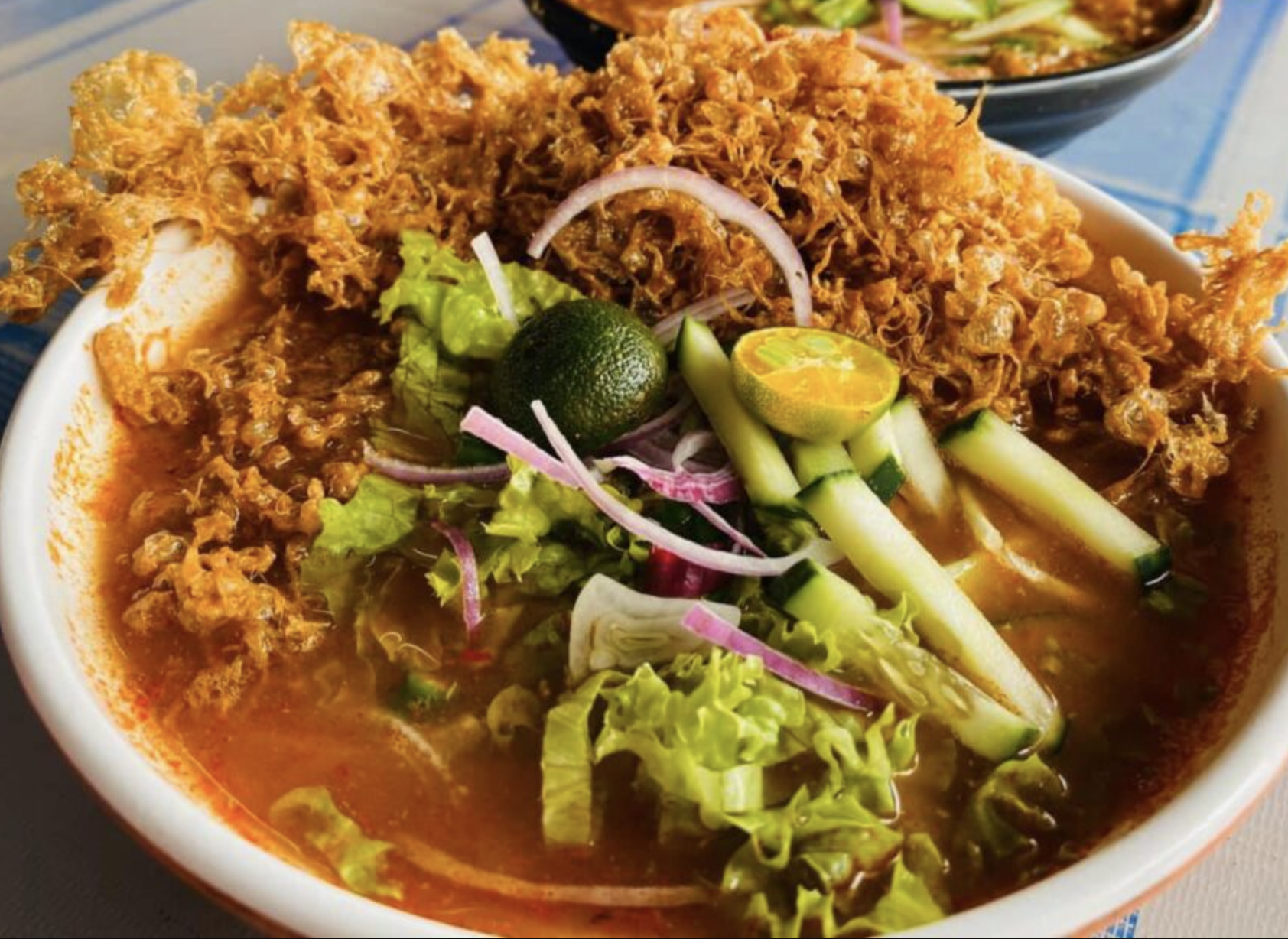
Now, regular laksa is already good, but Laksa Sarang has a fun twist. The word “sarang” means nest, and the name comes from the egg topping. Instead of a normal boiled egg or fried egg, the egg is fried into thin, crispy strands that curl together like a golden nest sitting on top of the laksa.
It looks playful, almost messy in the best way. The first time you see it, you might pause for a second because it doesn’t look like the usual bowl of laksa. Then the smell hits — tangy fish-based gravy, herbs, spice, and that warm fried egg aroma.
The flavor is bold but not fancy. You get the sourness from the laksa gravy, the savory depth of fish, the freshness of cucumber or herbs depending on the stall, and then the crispy egg adds texture. That egg nest softens slightly when it touches the gravy, but some parts stay crisp. Honestly, that contrast is what makes it addictive.
This is the kind of local food that makes sense after a road trip. It’s filling, flavorful, and not too expensive. Don’t wear white if you’re a messy eater. Laksa gravy has no mercy.
What Locals Actually Eat
Besides Laksa Sarang, look out for simple Malay dishes around Kuala Kangsar such as nasi campur, ikan pekasam, kuih, and local-style breakfast items if you arrive earlier. Locals don’t always eat at the prettiest places. Sometimes the best meal is at a basic shop with plastic chairs, quick service, and a steady stream of regular customers.
If a place is crowded with locals but not overly decorated for tourists, that’s usually a good sign.
Exploring the Royal Palace Area at Bukit Chandan
After lunch, head toward Bukit Chandan. This is where Kuala Kangsar’s royal character becomes more obvious. The area feels calmer and more formal, with royal buildings, old trees, and roads that curve gently uphill.
You may not be able to enter every royal building freely, so manage your expectations. This part of the trip is more about admiring the area, learning a little about Perak’s royal heritage, and enjoying the atmosphere.
The Royal Palace area gives Kuala Kangsar its identity. It reminds you that this isn’t just another small town with old buildings. It has a royal history that still shapes how the town looks and feels.
Take your time here. Don’t just jump out of the car, snap one photo, and leave. Walk where you’re allowed, look at the details, and notice how different this feels from the lake in Lenggong earlier in the day.
A Stop at Istana Kenangan
While exploring Bukit Chandan, make time for Istana Kenangan, one of Kuala Kangsar’s most distinctive landmarks. Unlike the grander royal residences, this wooden palace stands out because of its traditional Malay architecture and unique construction style.
Built without nails and featuring intricate patterns, the palace feels like a piece of living history. Its design reflects local craftsmanship and offers a glimpse into how royal residences once looked before modern building methods became common.
Even if you only spend a short time here, Istana Kenangan adds another layer to the heritage experience. It complements the royal atmosphere of Kuala Kangsar and helps visitors appreciate the cultural traditions that continue to shape the town’s identity.
A Peaceful Visit to Masjid Ubudiah
Masjid Ubudiah is easily one of the highlights of this journey.
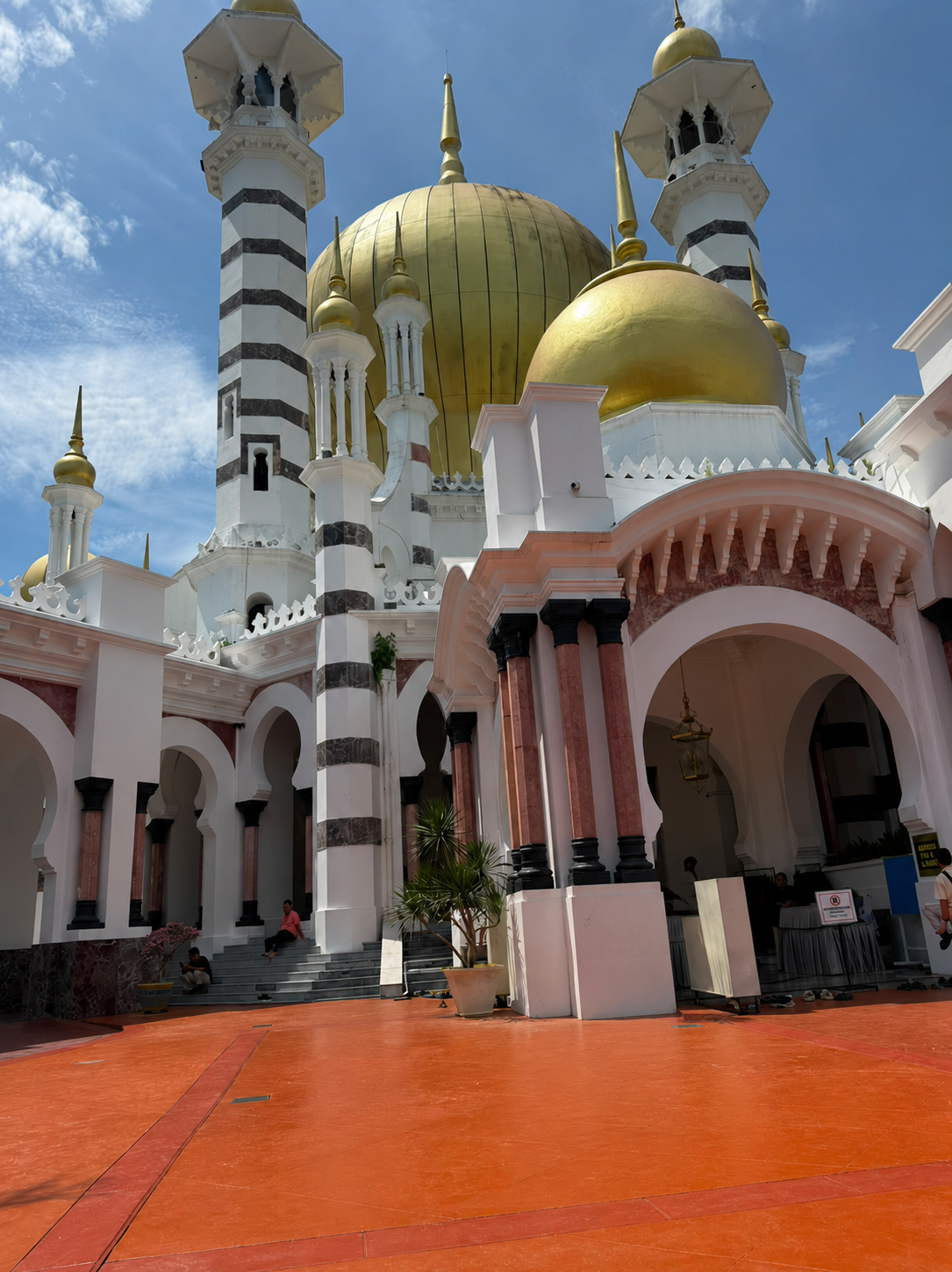
Even if you’ve seen photos before, the mosque still has presence when you arrive. The golden domes catch the light beautifully, and the white walls make the whole building feel elegant without being too loud. The architecture has a grand, royal quality, but the atmosphere around it is still peaceful.
This is not just a quick photo stop. Masjid Ubudiah is one of those places where you naturally slow down. The domes, arches, and minarets all work together in a way that feels balanced. It’s the kind of building that makes you understand why Kuala Kangsar is known as a royal town.
For me, this was the moment where the trip tied together. Lenggong had the quiet water and ancient landscape. Victoria Bridge had the old railway mood. Laksa Sarang gave the trip flavor. But Masjid Ubudiah gave it that final sense of place.
Dress Code and Mosque Etiquette
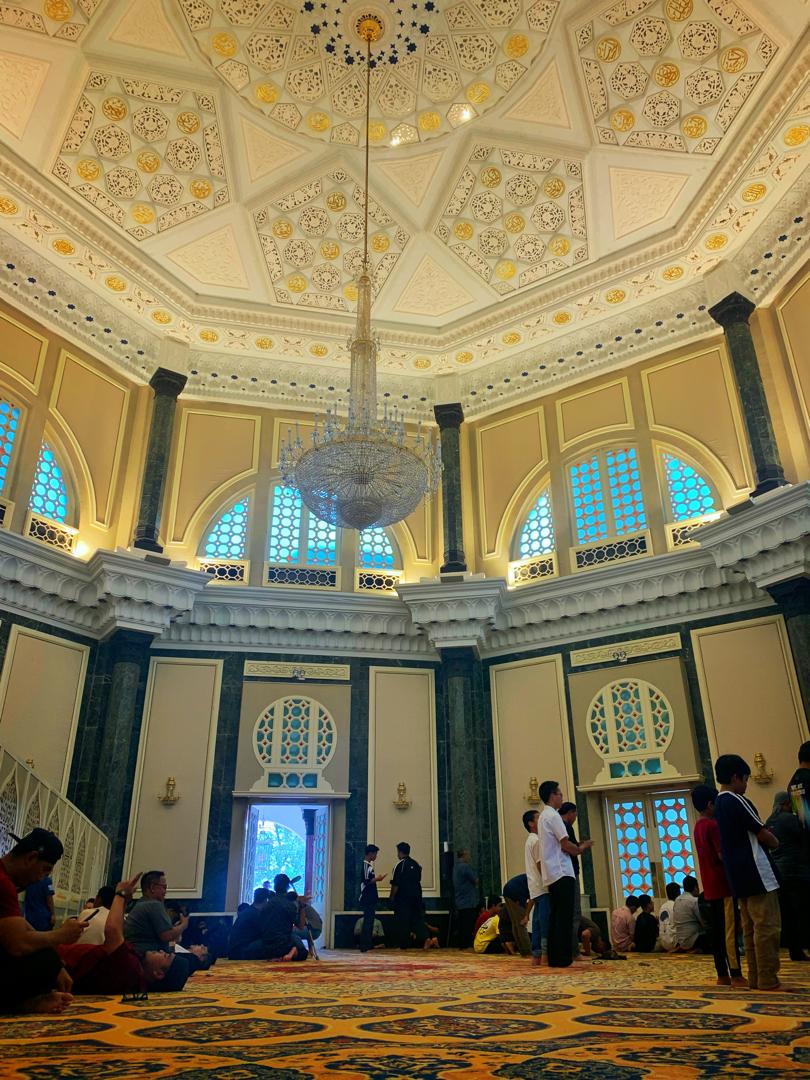
Dress modestly when visiting. For women, bring a scarf just in case, and avoid sleeveless tops or short bottoms. Men should also avoid shorts if possible. If you’re not Muslim, you can still appreciate the mosque from permitted areas, but be respectful, especially during prayer times.
Keep your voice low, don’t block entrances for photos, and don’t treat the mosque like a backdrop only. It’s an active religious place.
Hidden Gems and Lesser-Known Tips
If you have extra time, don’t rush out of Kuala Kangsar too quickly. Drive around the older parts of town and look for traditional houses, small food stalls, and riverside views. Some of the best moments here are not marked by big signboards.
In Lenggong, consider pairing Tasik Raban with heritage or archaeological stops if you have more time. The area has a deep prehistoric background, and even if you’re not a museum person, it adds meaning to the landscape. You start to look at the hills and valleys differently when you realize people have lived around this region for a very, very long time.
Another tip: bring cash. Some smaller stalls or local operators may not be as card-friendly as places in bigger cities. E-wallets are common in Malaysia, but cash still saves you from awkward moments.
How Much Time Do You Need?
You can do this as a full day trip, but it will be a packed day. A comfortable version looks something like this:
- Morning: Tasik Raban boat ride in Lenggong
- Late morning or noon: Drive toward Kuala Kangsar
- Early afternoon: Victoria Bridge
- Lunch: Laksa Sarang
- Late afternoon: Bukit Chandan, Istana Kenangan, and Masjid Ubudiah
If you want to add museums, longer food stops, or more photography time, stay overnight in Kuala Kangsar or Ipoh.
For most travelers, one full day is enough for the main itinerary. Two days is better if you like slow travel.
Realistic Budget Expectations
This route can be quite affordable, especially if you’re traveling in a group.
A rough budget per person:
- Car rental or fuel sharing: RM30–RM100 depending on group size
- Food and drinks: RM20–RM50
- Boat ride: varies, so check locally
- Small extras and parking: RM10–RM30
- Overnight stay, if needed: RM80–RM200+ depending on comfort level
You don’t need a luxury budget for this trip. The best parts are simple: lake views, heritage buildings, local food, and slow wandering.
Common Mistakes to Avoid
The biggest mistake is trying to squeeze too much into the day. This route works best when you give each place a little breathing room.
Another mistake is visiting Masjid Ubudiah in clothing that isn’t suitable. It’s better to dress modestly from the start so you don’t feel uncomfortable later.
Don’t assume boat rides at Tasik Raban are always available exactly when you arrive. Ask ahead if the boat ride is the main reason you’re going.
Also, don’t skip food in Kuala Kangsar. Laksa Sarang is part of the experience, not just lunch. Plan your timing so you arrive hungry.
What to Pack
Keep it simple:
- Comfortable walking shoes
- Hat or cap
- Sunglasses
- Water bottle
- Modest clothing for mosque visit
- Small umbrella or rain jacket
- Cash
- Power bank
- Phone grip or strap for boat photos
You don’t need heavy travel gear. Just prepare for heat, sun, short walks, and a bit of countryside unpredictability.
Final Thoughts
A Journey Through Heritage: Exploring Kuala Kangsar and Lenggong is not the kind of trip that tries too hard to impress you. That’s what I liked about it.
Lenggong gives you nature in a calm, unshowy way. Tasik Raban is peaceful, especially if you catch it in the morning. Victoria Bridge adds history and a slightly nostalgic photography stop. Kuala Kangsar brings in the royal side of Perak, with Bukit Chandan, Istana Kenangan, and the beautiful Masjid Ubudiah standing out as the main highlights.
And then there’s Laksa Sarang, which somehow makes the whole journey feel more local and memorable. That crispy egg nest on top of tangy laksa is the kind of detail you’ll probably mention when telling someone about the trip later.
If you’re looking for a practical, meaningful day trip in Perak that mixes nature, heritage, food, and photography, this route is worth your time. Just don’t rush it too much. The best parts reveal themselves slowly.


